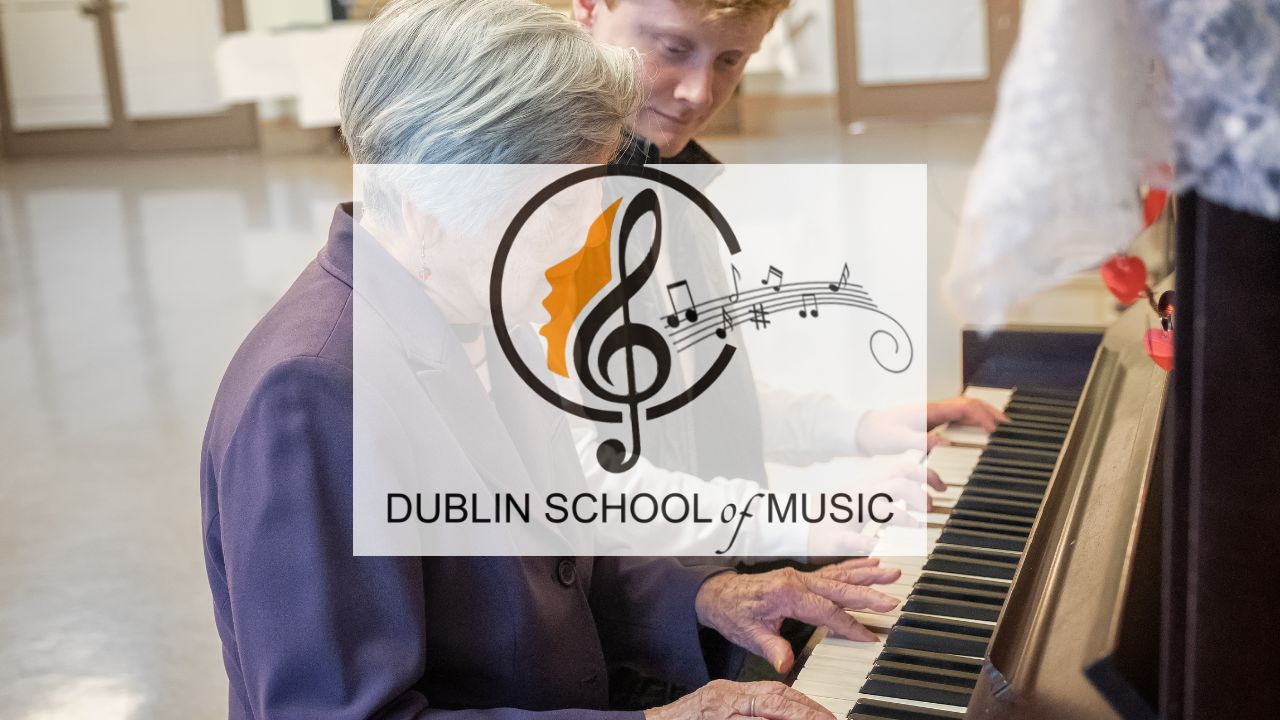
There’s a particular kind of silence that happens in a first lesson. The instrument sits there, patient and indifferent. The teacher waits. And you—someone who has spent decades knowing what you’re doing, being competent, being the person others came to for answers—are suddenly, completely, a beginner.
It’s uncomfortable. It might even be terrifying. And then something happens: you play a note, or a chord, or a scale, and it sounds like music. Not good music, not impressive music, but yours. You made that sound. You, who have never done this before, just did something you couldn’t do five minutes ago.
This is what beginning feels like. And it turns out that beginning—really beginning, with no pretence of competence—is one of the great underrated pleasures of later life.
We carry a cultural assumption that learning belongs to the young. Children go to school; adults have learned. Children take lessons; adults teach them. By sixty, the story goes, you are who you are. Your skills are fixed, your interests established, your capacity for genuine novelty behind you.
This is, to put it plainly, nonsense. The adult brain retains remarkable plasticity throughout life. It forms new neural connections, adapts to new demands, and—crucially—learns. Older learners may progress differently than children: sometimes more slowly, sometimes more thoughtfully, almost always with greater intentionality. But they learn. The science on this is not ambiguous.
What changes is not capacity but purpose. A child learning piano is preparing for something—exams, perhaps, or a future that includes music. An adult learning piano at sixty is not preparing for anything. They are simply doing it, for its own sake, because they want to. This is not a lesser form of learning. It might be a purer one.
There is something unexpectedly freeing about being bad at something when you no longer have anything to prove. For most of your working life, competence was currency. You were paid, promoted, and respected for knowing what you were doing. Admitting ignorance was risky; appearing foolish was costly. Even your hobbies, over time, became things you were reasonably good at.
Retirement removes those stakes. No one is evaluating your piano playing for a performance review. No client is judging your scales. You are free, perhaps for the first time in decades, to be genuinely bad at something—and to enjoy the process of becoming slightly less bad, week by week, with no destination in mind.
This is not a small thing. The permission to struggle, to fail, to make horrible sounds and laugh about them—this is a kind of freedom that competence can never offer. Many of our older students describe their lessons as the most relaxed hour of their week, precisely because nothing depends on getting it right.
If you’ve never had a music lesson, you might wonder what actually happens. The answer is: less than you fear and more than you expect.
A good teacher meets you where you are. If you’ve never touched a piano, you’ll start with posture, hand position, and simple exercises that produce immediate results. If you played as a child and remember fragments, you’ll build on what remains. The pace is yours; the goals are yours; the repertoire, within reason, is yours. Want to learn jazz standards? Folk songs? Bach? The choice shapes the journey.
Most adult beginners are surprised by how quickly they can play something recognisable. Not concert-ready, not polished, but music—actual melodies that they produced with their own hands. This matters more than it might seem. It’s evidence that you can do this, that starting at sixty or sixty-five or seventy is not an act of delusion but a reasonable choice with tangible rewards.
Retirement asks a difficult question: who are you when you’re no longer what you did? The job titles fall away; the professional identity that structured decades of life is suddenly past tense. This transition is harder than most people anticipate. ‘What do you do?’ becomes a surprisingly fraught question when the honest answer is ‘nothing in particular.’
Learning an instrument offers a new answer—not a replacement for a career, but something genuine to say. ‘I’m learning piano.’ ‘I’ve taken up the cello.’ These are identity statements, however modest. They describe someone who is actively engaged in becoming something, rather than someone coasting on what they used to be.
The identity deepens over time. After a year, you’re not just learning piano; you’re someone who plays. After two years, you have a repertoire, preferences, opinions about fingering and phrasing. You’ve become a version of yourself that didn’t exist before—and that’s worth something, regardless of how it sounds to anyone else.
There’s a practical benefit that often goes unmentioned: structure. Retirement can be surprisingly formless. The diary that once overflowed is suddenly empty. Days blend into each other. For some, this is paradise; for others, it’s quietly disorienting.
A weekly lesson creates a fixed point. Something to prepare for, something to look forward to, a relationship that continues over time. The teacher becomes a familiar presence—someone who knows your playing, your progress, your particular struggles. This ongoing connection has value beyond the music itself. It’s a small anchor in a week that might otherwise drift.
Is sixty too old to start learning music? The question contains a hidden assumption: that learning is preparation for something, and that at sixty there isn’t enough future left to prepare for. But what if learning isn’t about preparation at all? What if it’s simply about the experience of learning—the engagement, the challenge, the slow accumulation of skill, the pleasure of making sounds that weren’t there before?
Seen this way, starting at sixty isn’t late. It might even be ideal. You have time, finally. You have patience, earned over decades. You have nothing to prove and no one to impress. You are free to be a beginner—truly, honestly, joyfully bad at something—and to discover what happens when you stay with it anyway.
The instrument sits there, patient and indifferent. The teacher waits. And you? You begin.
Q: Is it too late to learn piano at 60 or 70? A: No. Adults of any age can learn music. While progression may differ from younger learners, older adults often bring focus, patience, and motivation that serve them well.
Q: Do I need any musical background? A: None whatsoever. Many of our adult students have never touched an instrument before. We welcome complete beginners.
Q: How long are lessons for adults? A: Lesson length is flexible. Many adults choose 45-minute or one-hour sessions, though shorter lessons are also available.