Absolutely amazing school. It is my daughters 3rd year with Rachel at piano classes.The staff is great and Craig is always helpful!
The piano is an orchestra in itself, capable of conveying the entire spectrum of human emotions with its rich and varied tones.
Anon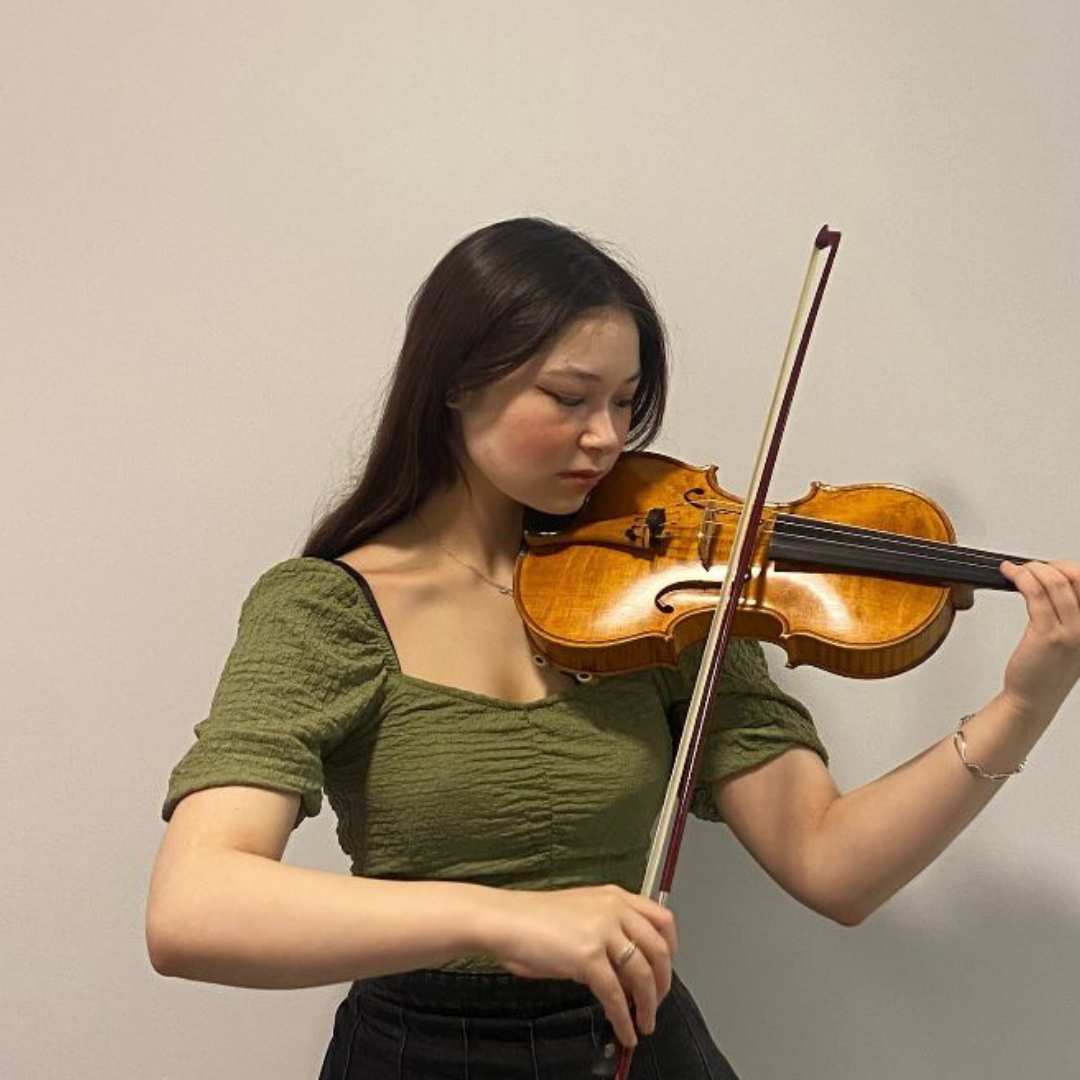
My daughters have been learning piano in Dublin school of music for the past couple of years. The standard of teaching is high and Craig is always pleasant to deal with and very accommodating with any changes in lesson times etc. Nina is a super piano teacher and both my daughters have learnt so much with her. We highly recommend this music school!
The questions parents and adult beginners ask us most often, answered plainly.
Private piano tuition in Dublin generally runs between €25 and €45 per lesson, with the higher end reflecting conservatory-trained teachers, city-centre premises, or longer lesson slots. Group classes cost less but progress more slowly, because nobody gets individual attention on hand position — the one thing that is very hard to unlearn later.
At Dublin School of Music, piano is taught one-to-one and priced on a ten-lesson course at €300, which works out at €30 a lesson. Students who sign up to our automated payment plan pay €27.50 a lesson. If you would rather test the water first, a three-lesson taster course costs €90, and if you decide to continue that €90 comes off your full fees — so the trial costs you nothing extra.
Lessons run at all three schools: Tallaght, Stillorgan and Terenure. Enrolment is continuous, so you are not waiting for a term to begin.
You can learn to play the piano in three months. You cannot learn the piano in three months — and the distinction matters more than it sounds.
Three months of weekly lessons with sensible practice will give you a working five-finger position in both hands, the ability to read treble and bass clef at a slow tempo, a handful of chords, and three or four pieces you can play for somebody without apologising first. That is a genuine, audible skill. People underestimate it because they are measuring themselves against a concert recording rather than against themselves twelve weeks earlier.
What three months will not give you is fluent sight-reading, independent hands in anything complex, or pedal control. Those arrive over the first year or two. We have written an honest month-by-month account of that trajectory in What Can You Play After a Year of Piano Lessons?
No. Forty is, if anything, an advantageous age to start.
The myth rests on a real phenomenon — children acquire motor patterns faster and absorb pitch relationships with less effort. But learning an instrument is not only a motor task, and adults bring compensating advantages that children simply do not have: they understand why a practice technique works, they can self-correct between lessons, they choose their own repertoire and therefore actually want to play it, and they turn up because they decided to rather than because someone drove them.
The honest difference is time, not capacity. An adult with three hours a week will progress faster than a child with twenty minutes. Our adult students regularly reach a level that surprises them, and a good number of them had given up as children. We have written about both: Why Adults Who Gave Up Music Keep Coming Back and, for those considerably past forty, Starting at Sixty.
Applied to piano, the 80/20 rule holds that roughly 80 per cent of your progress comes from 20 per cent of what you could be practising. The implication is not that you should practise less, but that most people spend their practice time on the wrong things.
The high-yield 20 per cent is reliably the same:
The low-yield 80 per cent is playing favourite pieces end to end, sight-reading new material for pleasure, and practising with the metronome off. All enjoyable, and worth doing — but they are the reward, not the work. A teacher's main function in the first year is to keep pointing you at the 20 per cent, because left alone almost nobody does it by instinct. It also helps to practise on an instrument that does not fight you; we have set out the trade-offs in Digital Pianos vs Acoustic Pianos.
Four or five for most children, which makes piano one of the earliest instruments a child can begin properly. The reason is physical: a key makes its note when pressed, so a four-year-old gets an immediate, correct, pleasing sound. On a violin or a clarinet the same child spends weeks producing something nobody enjoys, which is a great deal to ask of a beginner.
Readiness matters more than the birthday. A child who can sit and attend for twenty minutes, follow a two-step instruction, and distinguish left hand from right is ready, whatever age that happens. A child who cannot will do better waiting six months than being pushed through it.
Piano also pays forward more than any other first instrument — the whole of music theory is laid out visibly along the keyboard, which is why so many musicians who play something else learned piano first. We make that case in Why Piano Players Make Better Musicians, and set out readiness instrument by instrument in When Should My Child Start Music Lessons?